The Louis XIII period
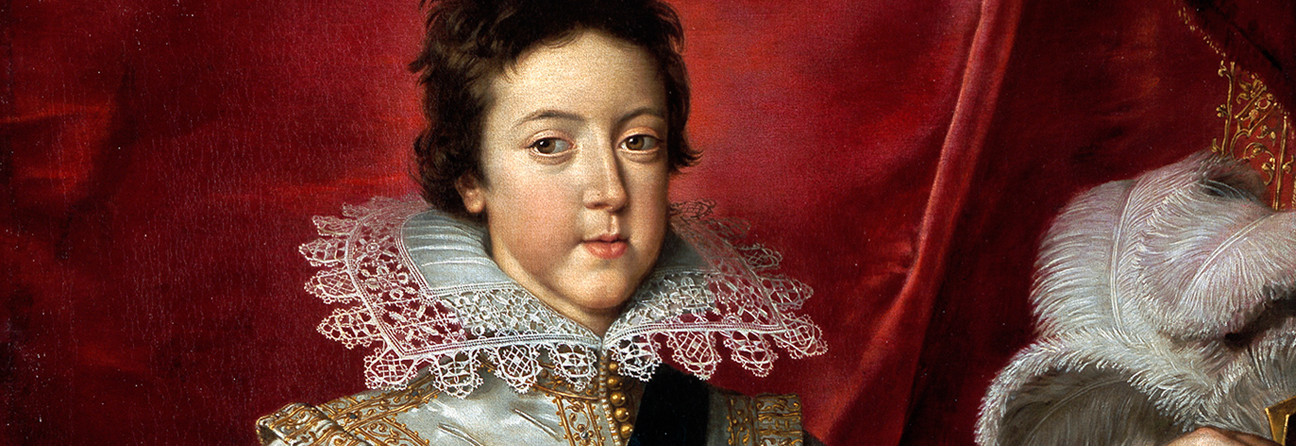
17th century (1610 – 1643)
The Edict of Nantes put an end to the Wars of Religion. From then on, Catholicism found expression in the Baroque tendency that would later lead to the Rocaille, while Protestantism was marked by sobriety and austerity.
The wars of expansion brought a certain wealth to the court. Châteaux were built and demand for furniture was strong. Mazarin’s uncompromising spirit and rigour channelled the exuberance of the Renaissance, particularly in our regions, which would draw on it until the 19th century (tables, wardrobes, seats, seat legs).
Distinctive features
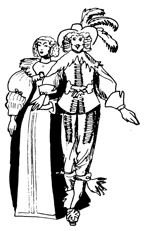
The era
Materials — Oak, walnut, pearwood, conifers. In our regions: cherry as well, inlays of ivory, pewter and various materials. Ebony veneer.
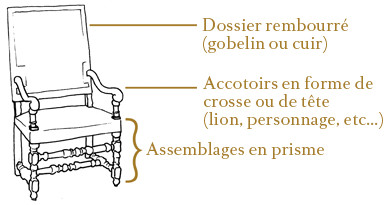
New furniture — The wardrobe and drawing-room furniture become widespread: armchairs and sofas upholstered in tapestry or leather.
Renowned makers — Laurent Sabre, Jean Macé, Pierre Boule.
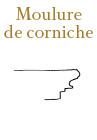
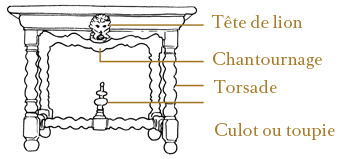
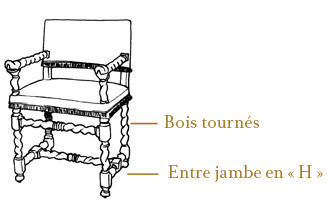
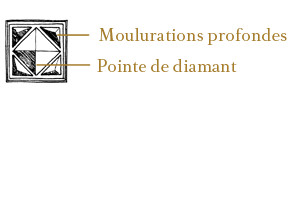
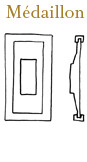
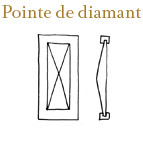
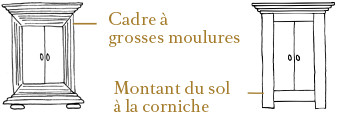
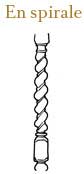
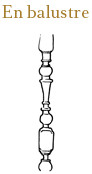
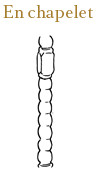
Special features — Deep mouldings, diamond-point carving, turned wood, H-shaped stretcher.
Notable figures of the period — Anne of Austria, d’Artagnan, Philippe de Champaigne, François Mansart, Mazarin, Richelieu, Simon Vouet.
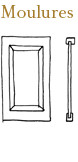
Fielded panels
Carving and panels
Wardrobes
Turned work

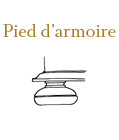
Various Baroque carvings
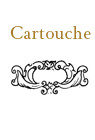
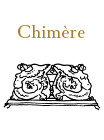
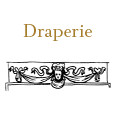
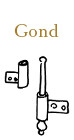
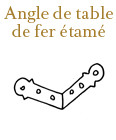
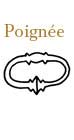
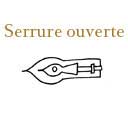
Mounts and hardware