The Directoire period
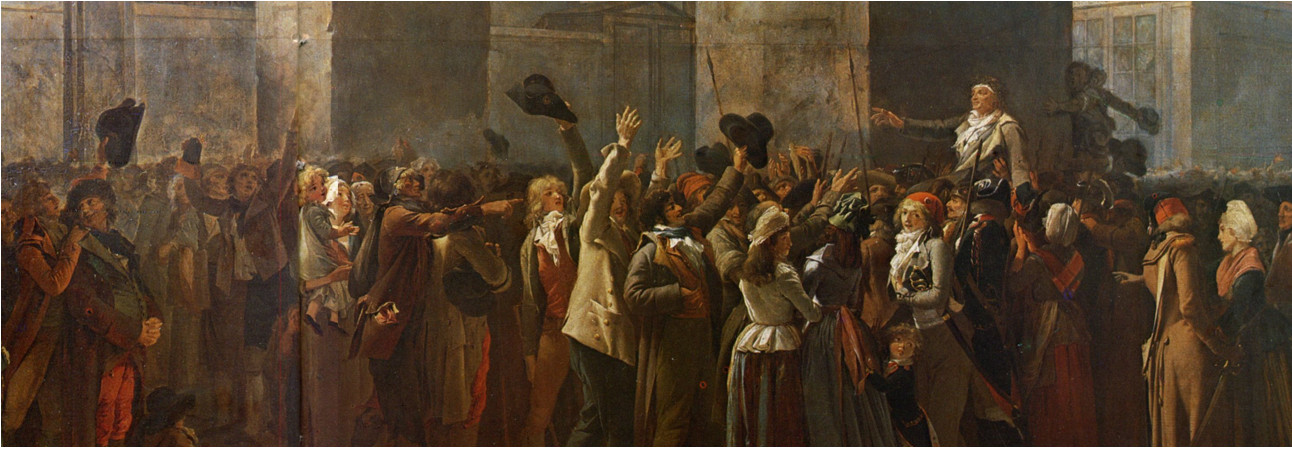
Late 18th century (1793 – 1804)
With the Revolution, France moved from the paroxysm of the Terror to a certain calm under the Directoire. The bourgeoisie grew stronger and demand for furniture was high: quality declined, all the more so as it was no longer regulated.
The style is still imbued with the tradition of lightness and elegance of the preceding one. The frescoes discovered at Herculaneum brought Roman forms back into favour. Motifs from mythology were brought back from Egypt. Marquetry was abandoned, often replaced by inlay.
In our regions, furniture becomes more widespread; to produce it easily, joiners further pared down the lines and gave this style a classical, thoroughly respectable air.
Distinctive features
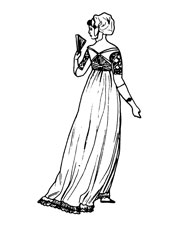
The era
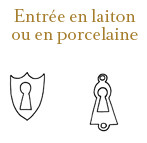
Materials — Mahogany, stained or painted beech, walnut and fruitwood (provinces), bronzes, pewter inlay, marble, porcelain.
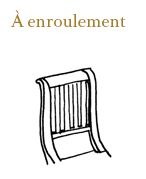
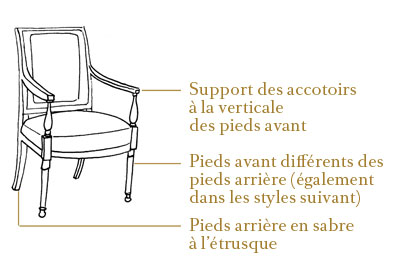
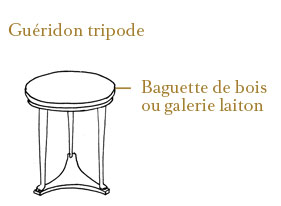
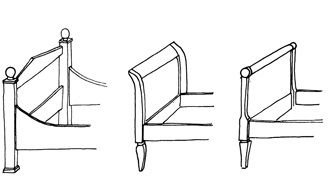
New furniture — The day bed, guéridons and tripod tables, the méridienne, the gondola chair and armchair.
Renowned makers — The Jacob family, Biennais, Vaugrois, Benneman and other craftsmen already active under Louis XVI.
Special features — Pared-down lines and ornament.
Notable figures of the period — Barras, Condorcet, Daunou, David, Lamarck, Mme Tallien.
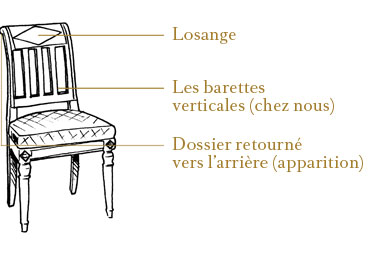
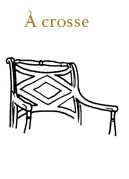
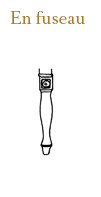
Seats
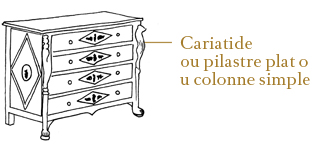
Commodes and wardrobes
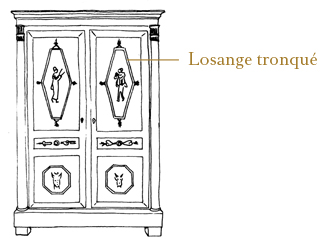
Antique ornament