The Renaissance period
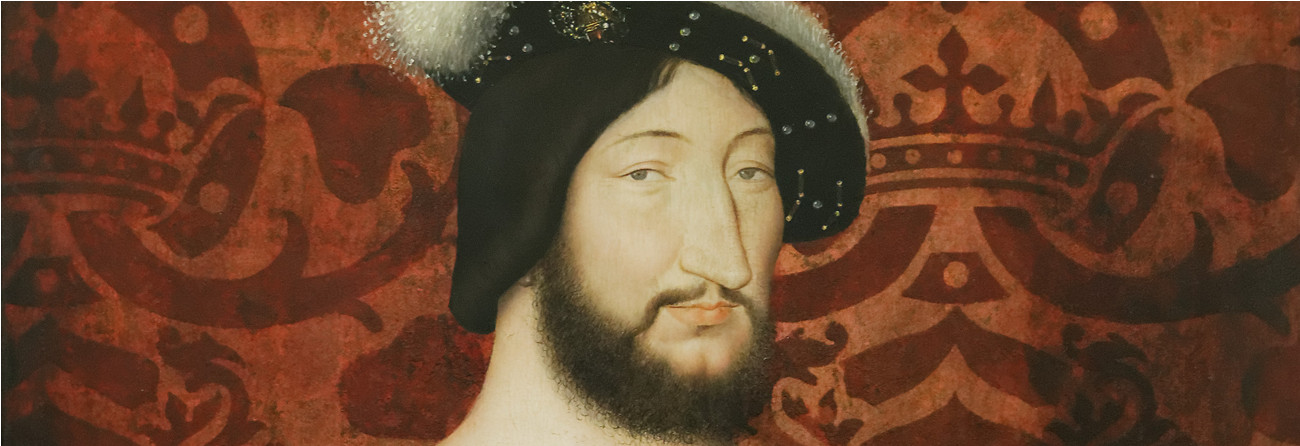
16th century (1515 – 1589)
As a consequence of the barbarian invasions, the Middle Ages had suffered from poverty and disease. This is an age of rupture in which civilisation, once religious, becomes secular. Princes consolidate their power, cities grow rich; people love festivities, luxury and the arts.
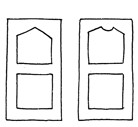
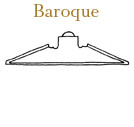
A kind of neo-paganism mingles the gods of mythology with the still-vivid figures of the Christian era. Imported from Italy, where it had begun a century earlier, this style is marked by Greco-Roman architecture and highly elaborate decoration. Baroque influence appears in broken pediments, turned finials and other appendages with no structural purpose.
Distinctive features
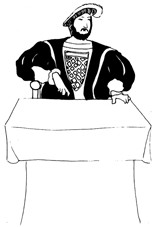
The era
Materials — Oak, then walnut, ivory, bone, pale woods for inlay. In our regions, in addition: conifers such as fir, larch, pine and Swiss stone pine.
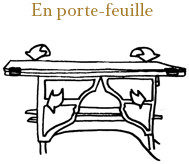
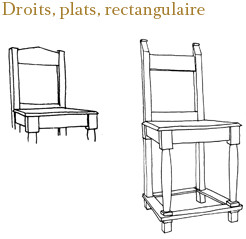
New furniture — The two-body buffet, the multiple-drawer cabinet, the extending table, the wardrobe, the joint stool, the chair, the wash-stand buffet, the caqueteuse chair, the four-poster bed, and the credence — the name given to the dresser under Henri II.
Renowned makers — Jacques Androuet, Hugues Sambin.
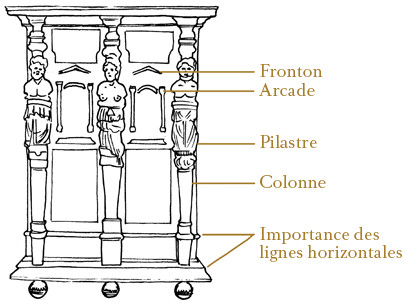
Special features — Abundant carving, Greco-Roman architecture, emphasis on horizontal lines.
Notable figures of the period — Gaspard de Coligny, Philippe Delorme, Diane de Poitiers, François Ier, Clément Marot, Montaigne, Bernard Palissy, Rabelais, Ronsard.
Columns, caryatids and pediments
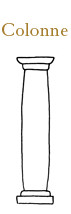
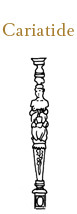
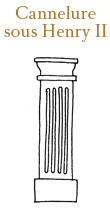
Tables and seats
Ornament and accessories