The Louis XV period
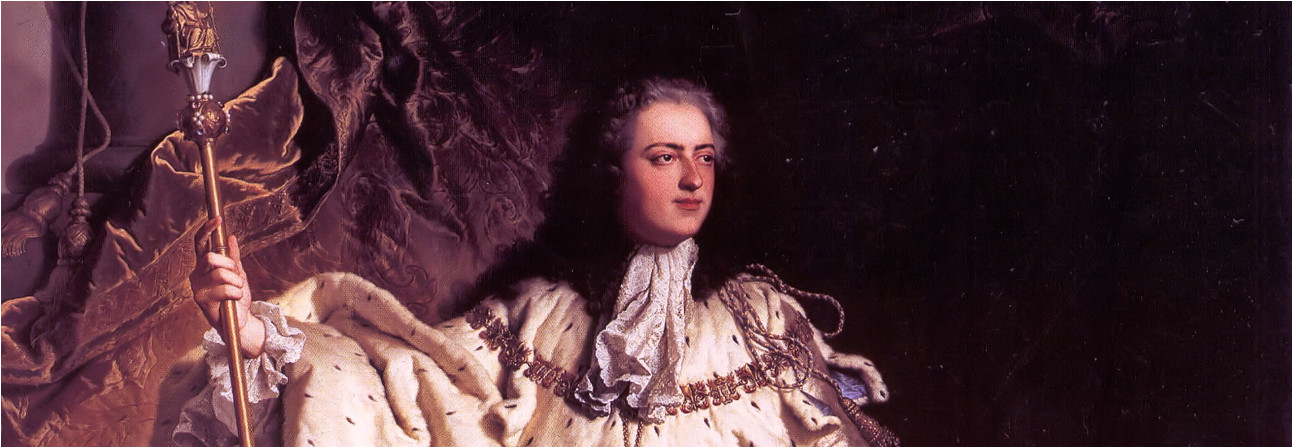
18th century (1730 – 1774)
In reaction against his austere, grandeur-laden upbringing, Louis XV loved elegance and intimacy. His reign fell under the influence of the women who entertained philosophers and writers. The extravagant spending of the royal favourites stimulated artistic creation. The painter Boucher devoted his art to the glorification of the female body.
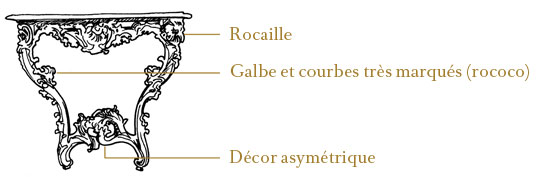
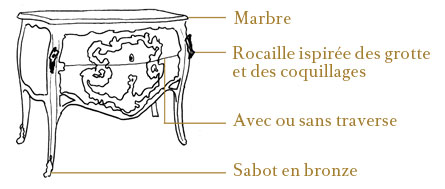
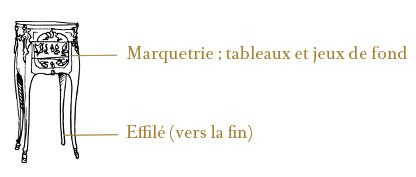
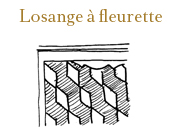
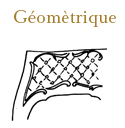
The lines of this style grew rounder still into voluptuous forms. Fantasy reigns; the Rocaille breaks down symmetry and permits every excess. Veneers form true naturalistic pictures or arrange themselves into astonishing marquetry designs. The cabinetmakers, admired everywhere, created many pieces that demonstrate the refinement and sense of well-being of the age.
Distinctive features
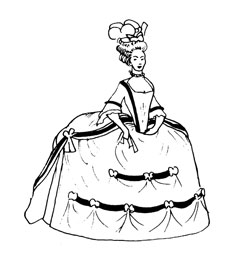
The era
Materials — Beech (painted furniture), walnut (gilded or natural-wood furniture), lime, pearwood, wild cherry. Veneers in tulipwood, kingwood, mahogany, rosewood and purpleheart, on fir or oak carcasses. Marble, bronze, Chinese lacquer or vernis Martin. Cane (caning).
New furniture — The bergère, the cabriolet armchair, the duchesse armchair, the chiffonnière, the powder table, games tables, various small pieces, the tall fall-front secretaire, the corner cupboard.
Renowned makers — Cabinetmakers: Cressent, Dubois, Garnier, Petit, Delorme. Foreign makers settled in France: Oëben, B.V.R.B. (B. Van Risen Burgh), Lacroix (R. Van der Cruse), Kemp, Baumbauer.
Special features — Rocaille, asymmetrical ornament, strongly marked curves and swells (rococo), tapering forms (towards the end). Marquetry: pictorial designs and ground patterns.
Notable figures of the period — Boucher, Chardin, Diderot, Mme du Barry, Quentin de la Tour, Marivaux, Mme de Pompadour, Soufflot, Voltaire.
The cabriolet armchair and the backs
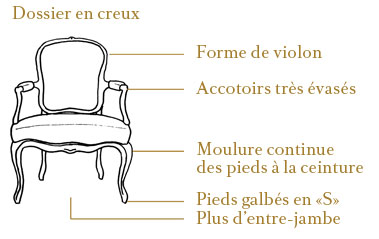
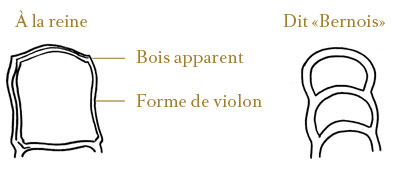
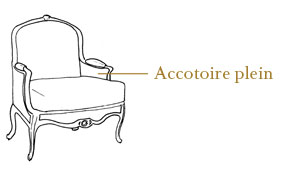
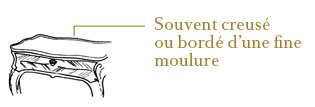
Table top and commode
Marquetry
Carving and ornament