Art Nouveau, Modern Style
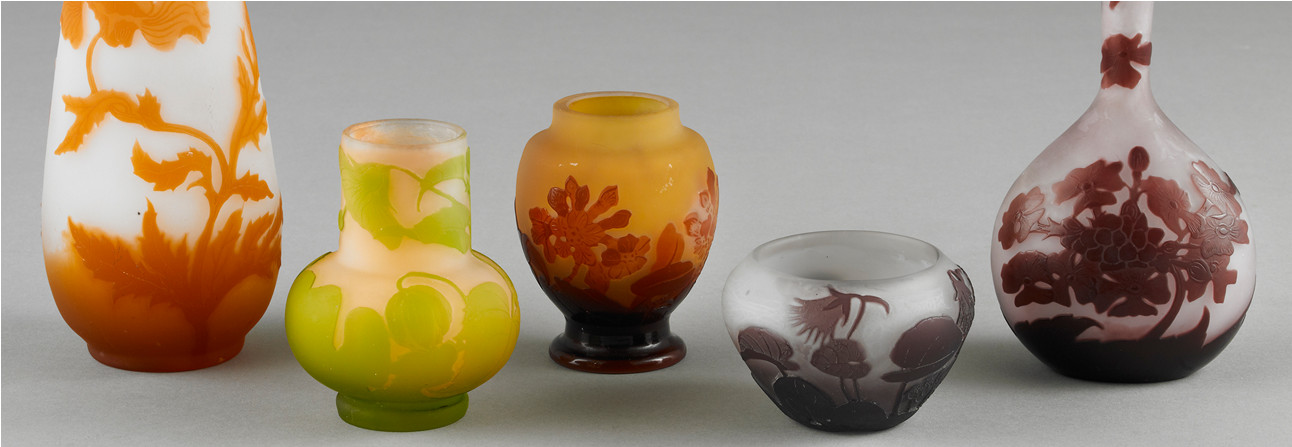
19th – 20th century (1880 – 1914)
The Belle Époque enjoyed great monetary stability while being racked by terrible social upheavals. The bourgeoisie, settled in its self-satisfaction, dined in a Henri II setting, entertained in a Louis XVI drawing room and slept in Louis XV.
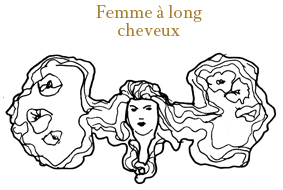
It was indifferent to, or mocked, the new currents: the celebration and inner appreciation of nature (the Impressionists), the democratisation of culture (Ruskin), the taste for Japanese art. From these movements was born Art Nouveau, drawing inspiration from plants (especially vines and marsh flora), from woman (with her long hair) and from winged creatures.
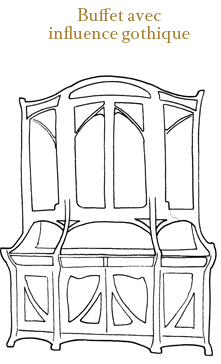
It was also influenced by Viollet-le-Duc’s work on Gothic art. Exuberance and imagination triumph in wild, flowing curves. This style truly made its name at the 1900 international exhibition, but it remained an art for the elite.
Distinctive features
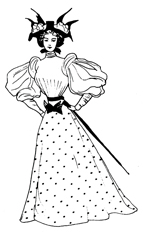
The era
Materials — Pearwood, walnut, oak, mahogany and rosewood (little). Wrought iron — raw bronze — glass, stained glass and ceramics sometimes enter into the composition of a piece.
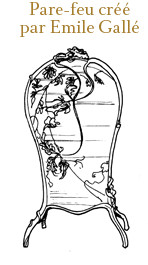
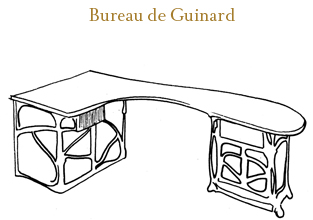
Renowned makers — Cabinetmakers: Majorelle, Vallin. Glassmaker-furniture makers: Gallé, Gruber, Tiffany. Architect-furniture makers: Guimard, Selmersheim, Horta, Van de Velde, Gaudi. Other designers: Carabin, Grasset, Colona, Georges de Feur.
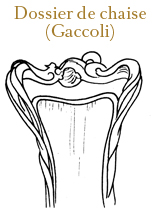
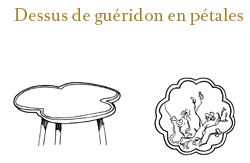
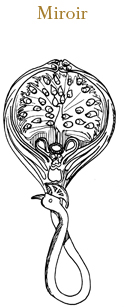
Special features — Structural ornament of stylised flowers, vines and long hair, sinuous lines, asymmetry. Marquetry, chiefly on tops, depicts pastoral scenes, Japanese-style flowers, foliage, etc.
Notable figures of the period — Sarah Bernhardt, Debussy, Gallé, Guimard, Majorelle, Proust, Ravel.
Characteristic furniture
Ornament and decoration