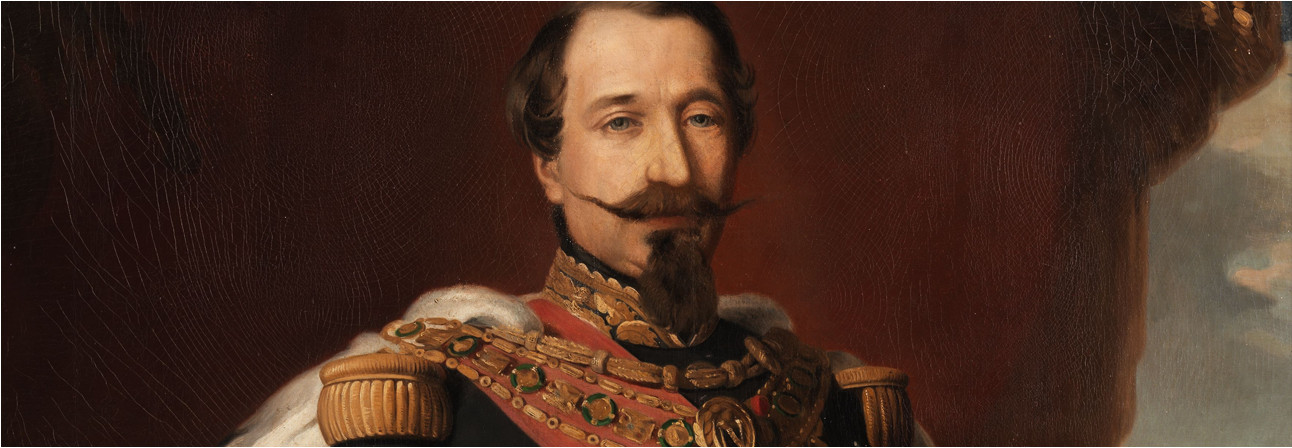
Napoléon III
19th century (1825 – 1870)
It was under Napoléon III that industrial, capitalist society took shape. Bankers, industrialists and speculators held pride of place. The bourgeoisie counterbalanced the demands of the wretched proletariat.
A feverish age in which Paris was torn up to build in the modern manner and the Suez Canal was opened; society roared with laughter at Labiche’s vaudevilles and mocked the new painters (Manet among others).
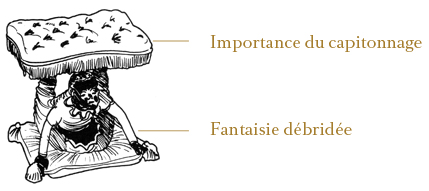
The craze for earlier styles was the rule. People plagiarised, assembled elements of different styles, adapted a model to make it plusher, and exaggerated forms. Profusion, luxury, comfort and fancy were prized.
Distinctive features
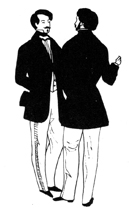
The era
Materials — All cabinetmaking woods, plus pitch pine. Veneers with inlays of tortoiseshell, copper, etc. Black-lacquered woods with inlay, gilding and bronze or painted decoration. Gilt bronzes made by electroplating (for decoration and construction). Cast iron, papier-mâché from which furniture was moulded.
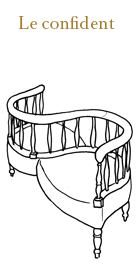
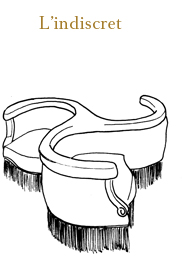
New furniture — The confident, the indiscret, the pouffe, the nest of tables, the revolving bookcase, furniture of rattan, bronze, giltwood, cast iron and papier-mâché, the table cheval-glass.
Renowned maker — Manufacturers: Jeanselme, Grohé, Bourdeley, Tahan, Sormani.
Special features — Black-lacquered woods with gilded or polychrome decoration. Pastiche of earlier styles.
Notable figures of the period — Second Empire: Cabanel, Chassériau, Dumas the Younger, Haussmann, Labiche, Eugénie de Montijo, Offenbach, Pasteur, Jules Verne.
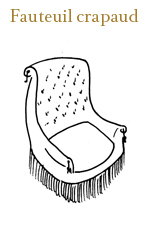
Buttoned seats
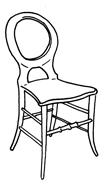
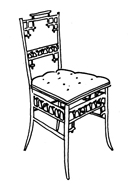
Sofas and settees
Legs and ornament