The Louis XVI period
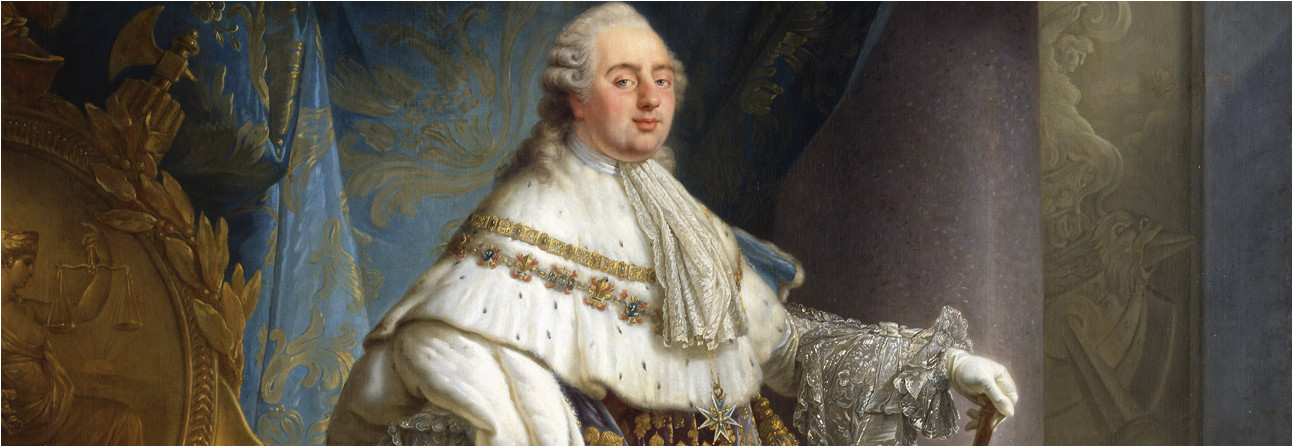
18th century (1774 – 1793)
The excesses of the Rococo and of artificial life are challenged by a naturist wave (Rousseau). Curves become moderate and ornament grows more restrained. In 1748, the (re)discovery of Pompeii fascinated Europe and brought the taste for Antiquity, its rules and its symmetry back into fashion.
The new style, in fact established before the start of Louis XVI’s reign, is characterised by a return to straight lines, to geometric forms and ornament, by references to Antiquity and nature, and by the creation of a host of small pleasure pieces.
The passage from one style to the other did not happen all at once. During a period known as the “Transition”, Louis XV elements mingled with the new rectilinear forms.
Distinctive features
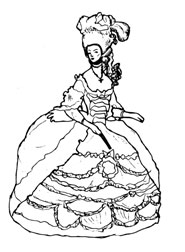
The era
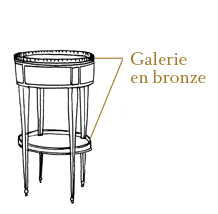
Materials — Woods as under Louis XV, plus mahogany, bronze, marble, porcelain and lacquer.
New furniture — The semainier, the demi-lune commode, the commode-sideboard, the serving commode, the cylinder desk, the chiffonnier (five drawers), the bouillotte table, the demi-lune table, the bonheur-du-jour.
Renowned makers — Joiners: Georges Jacob, J.-B. Séné, Tillard, Gourdin, Dupain, Lelarge, Delanoy, Demay. Cabinetmakers: Riesener, Leleu, Cardin, Topino, Weisweiler, Avril, Levasseur, Beneman, B.V.R.B., Roentgen, Canabas, Lacroix, Joubert.
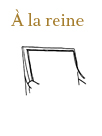
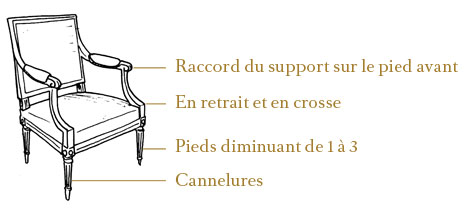
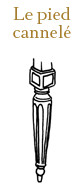
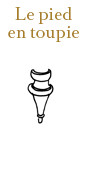
Special features — Geometric forms (oval, square, rectangle, straight lines), legs tapering from three sides to one, fluting.
Notable figures of the period — Choderlos de Laclos, Beaumarchais, Fragonard, Gluck, Greuze, Houdon, la Fayette, Lavoisier, Ledoux, Rousseau, the Marquis de Sade.
Seats
Tapered legs and galleries
Marquetry and panels
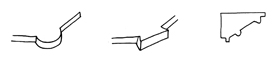
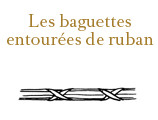
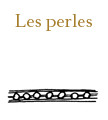
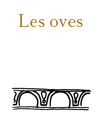
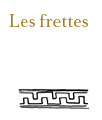
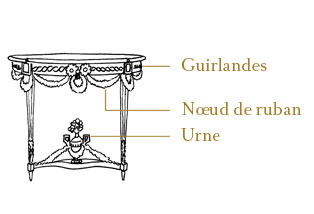
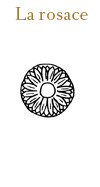
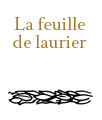
Mouldings and ornament