Louis-Philippe
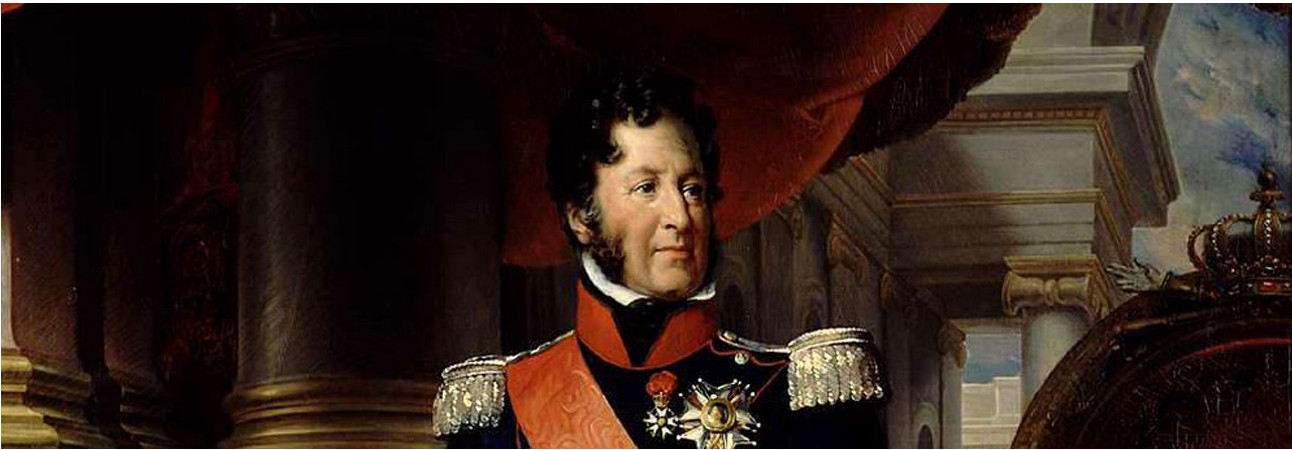
19th century (1830 – 1852)
Having to contend, on the right, with the loyalists of Charles X and, on the left, with the republicans, Louis-Philippe relied on the bourgeoisie, which held economic power. He encouraged industrial development. The bourgeois liked the practical and the solid. This frame of mind went hand in hand with assembly-line production, which simplified in order to produce quickly.
The forms of furniture hardly vary. Dark woods, without ornament, are favoured.
A novelty: merchants launched matching suites. To please the bourgeois, who wished to ape the former nobility, they revived fashionable elements from the Renaissance to Louis XV.
Distinctive features
The era
Materials — Mahogany, walnut, rosewood, yew. In our regions, fruitwoods as well. Pale woods for inlay and furniture interiors. Grey, white and sometimes black marble. The appearance of cast iron.
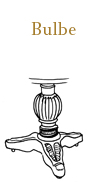
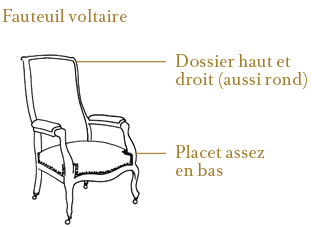
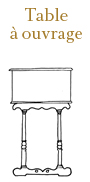
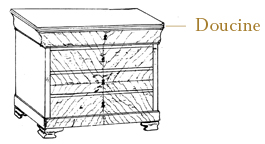
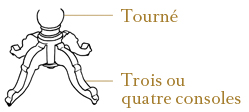
New furniture — Round tables on four console supports, extending tables with runners, dressing-commodes, Voltaire armchair.
Renowned makers — Chenevard drew his ornament from the past and set the tone. Alexandre Louis Bellangé, Georges-Alphonse Jacob, Lemarchand, the firm of Alphonse Giroud.
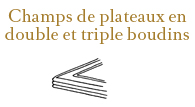
Special features — Restauration forms but heavier and softer, dark woods, absence of marquetry, mouldings and inlay.
Notable figures of the period — Balzac, Baudelaire, Berlioz, Corot, Delacroix, Dumas the Elder, Guizot, Hugo, Ingres, Théodore Rousseau.
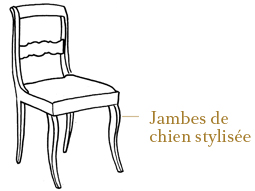
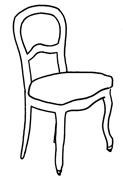
Seats


Tables and commodes
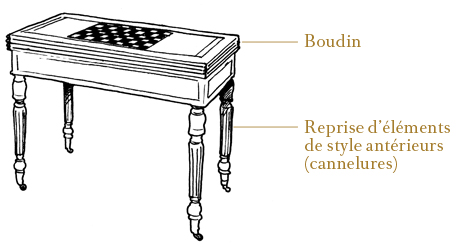
Legs, castors and ornament