Art Déco
The years 1918 – 1939
A kind of frenzy for living seized society from the end of the Great War. These are the “années folles”, the Roaring Twenties.
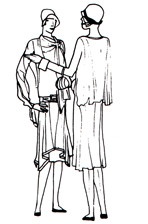
Bourgeois self-satisfaction was called into question at every level: Dadaism, Cubism, the emancipation of women who cut their hair, the motor car, the aeroplane, the atom, relativity… The exuberant, soft lines of the Modern Style were rejected in favour of clean, sober lines.
Three tendencies coexist
1 The traditional suites of copies fill the merchants’ catalogues.
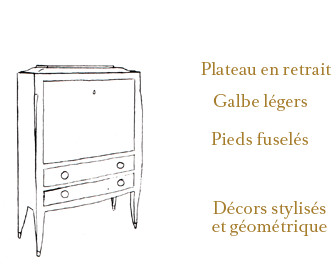
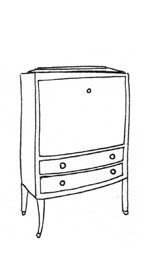
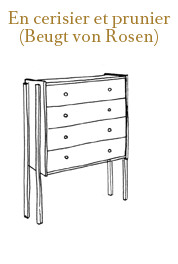
2 The cabinetmakers’ creations reconnect with the great tradition of the 18th century while following the aesthetic currents of the moment (Symbolism); the lines are elegant and schematic, the ornament refined and the materials luxurious.
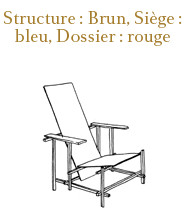
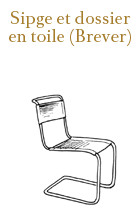
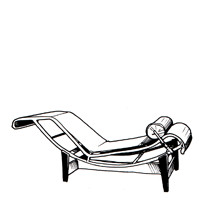
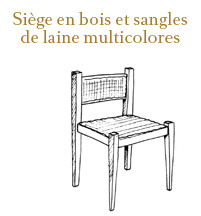
3 The architects’ furniture is designed for rational manufacture: no ornament and the use of new materials.
Distinctive features
The era
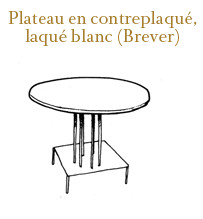
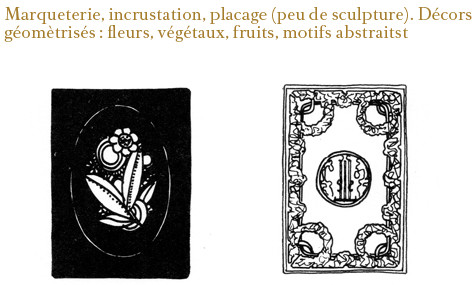
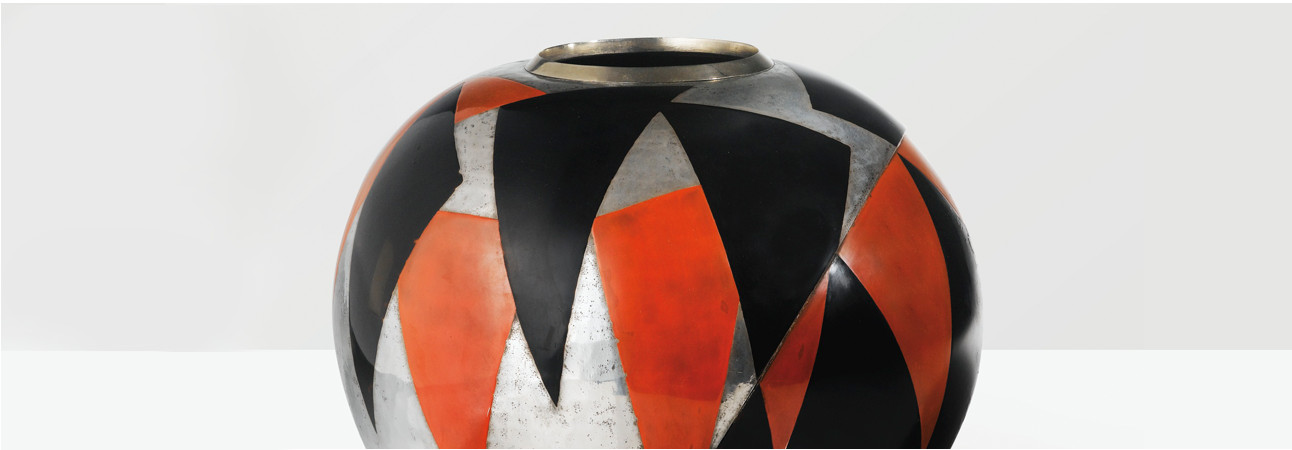
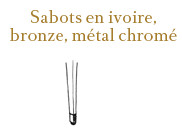
Materials — Rosewood, mahogany, amboyna and walnut burl, oak, ebony, sycamore, poplar. Lacquers. Shagreen (sharkskin). Parchment. Bronze, silver, chromed metal, ivory: applied or inlaid. Architects used chromed or lacquered tubing for structures, plus copper, glass, plywood, bent wood and Bakelite.
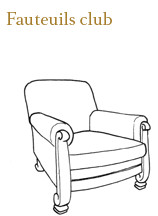
New furniture — The coffee table, the club armchair.
Renowned makers — Cabinetmakers’ furniture: Ruhlmann, Leleu, Sue et Mare, Dominique, Frank, Printz, Legrain, Rateau, Iribe, Groult, Bourgeois, Porteneuve… Architects: Le Corbusier, Charlotte Perriand, Herbst, Sognot, Jourdain, Lurçat, Prouvé, Chareau, Mallet-Stevens, Breuer and Mies Van Der Rohe (Germany), Rietveld (Netherlands).
Special features — Linear precision.
Notable figures of the period — Joséphine Baker, Pierre Chareau, Gide, Giraudoux, Le Corbusier, Montherlant.
Functional Art Déco
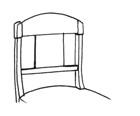
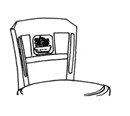
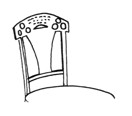
Seats — backs
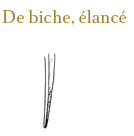
Legs
Architects’ furniture and decoration