The Régence period

18th century (1715 – 1723)
The splendour and authority of Louis XIV declined towards the end of his life. After his death, manners relaxed. People were more interested in the good life than in the grandeur of France.
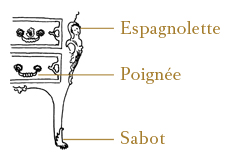
From the death of Le Brun (1690), lines grew softer; furniture became elegant, light and voluptuous. Bronzes, at first used as protective decoration (feet, corner mounts), grew ever more prominent and heralded the taste for the Rocaille.
Distinctive features

The era
Materials — Warm-toned woods: fruitwoods, walnut, beech, poplar, stained fir. Little giltwood, marquetry in exotic woods (tulipwood), marble, cane (caning).
New furniture — The flat writing desk (four legs), the longcase clock (morbier). Towards the end: the three-body scriban, the slant-front secretaire, the secretaire-commode.
Renowned makers — André-Charles Boulle, Charles Cressent, Mondron, Joubert, Gaudreaux.
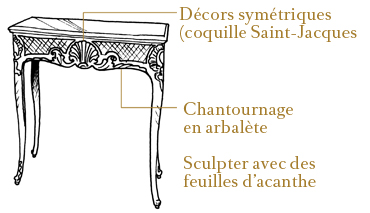
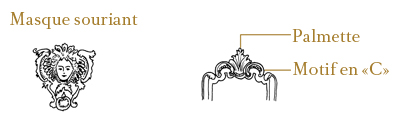
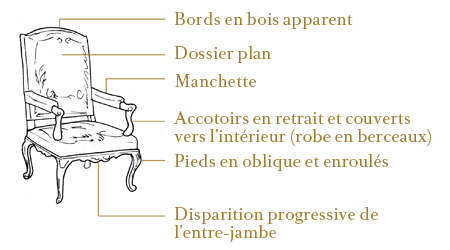
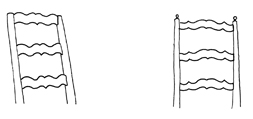
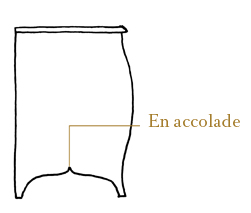
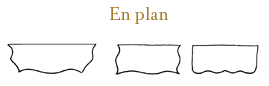
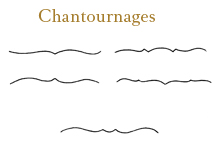
Special features — Symmetrical ornament (scallop shell), doe’s-foot legs, crossbow- and ogee-shaped scrollwork, curves in elevation.
Notable figures of the period — Montesquieu, Oudry, Rameau, Rigaud.
Seats and commodes
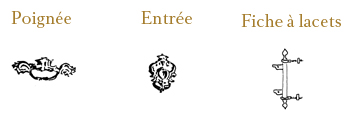
Ornament and bronzes